uPVC vs cPVC: Which One Should You Choose for Plumbing & Construction?
Choosing between uPVC pipes and cPVC pipes is a common question in plumbing and construction. Both materials are durable, cost-effective, and excellent alternatives to traditional metal piping—but their applications differ. In this guide, we’ll explain the clear difference between uPVC and cPVC pipes, their advantages, and why selecting the right option matters for your project.
What is uPVC?
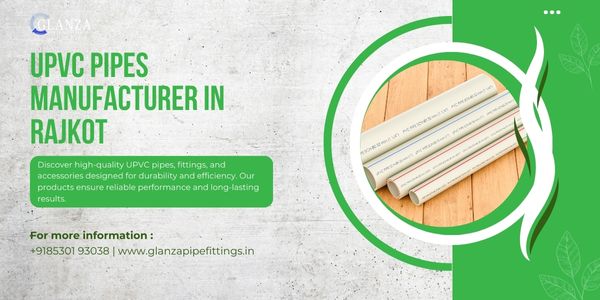
uPVC (Unplasticized PVC) is a rigid, strong, and lightweight material that doesn’t contain plasticizers. This makes it ideal for:
- Cold water supply
- Drainage systems
- Irrigation pipelines
- Window frames & profiles
Key Features of uPVC:
- Corrosion and chemical resistant
- Non-toxic and lead-free (safe for drinking water)
- Cost-effective
- Handles only cold water (not suitable for hot water)
What is cPVC?
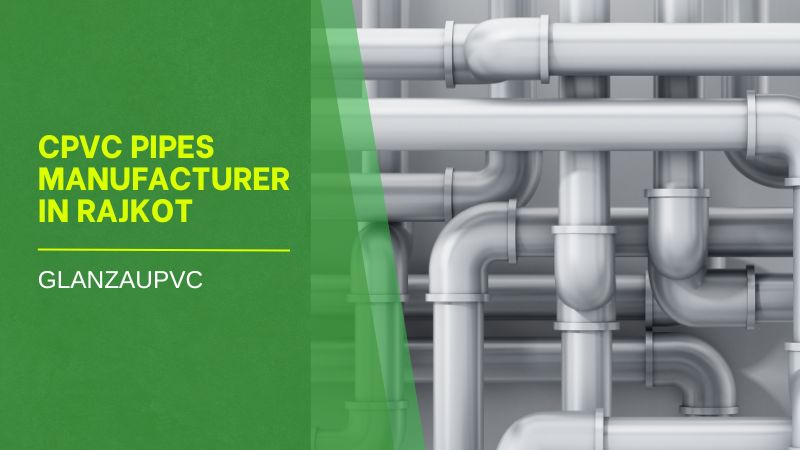
cPVC (Chlorinated PVC) is basically PVC treated with additional chlorine. This modification makes it more heat-resistant compared to uPVC. It’s widely used in:
- Hot & cold water plumbing
- Industrial fluid handling
- Fire sprinkler systems
Key Features of cPVC:
- Withstands higher temperatures (up to 93°C)
- Smooth internal surface reduces scaling
- Suitable for both hot and cold water
- More expensive than uPVC
uPVC vs cPVC – Head-to-Head Comparison
| Feature | uPVC | cPVC |
|---|---|---|
| Full Form | Unplasticized Polyvinyl Chloride | Chlorinated Polyvinyl Chloride |
| Strength | Rigid & durable | Rigid but with added chlorine for heat resistance |
| Temperature Range | 0°C to 60°C | 0°C to 93°C |
| Applications | Cold water, drainage, agriculture, windows | Hot & cold water supply, industrial, fire sprinklers |
| Cost | Economical | Relatively higher |
| Lifespan | 40–50 years | 40–50 years (with proper installation) |
| Chemical Resistance | Excellent | Excellent (even at high temps) |
Pros & Cons of uPVC
- ✅ Pros:
- Budget-friendly
- Lightweight & easy to install
- Non-toxic & recyclable
- Perfect for cold water and non-pressure applications
- ❌ Cons:
- Cannot handle hot water
- Limited to certain plumbing systems
Pros & Cons of cPVC
- ✅ Pros:
- Handles hot water & high pressure
- Fire-resistant properties
- Long service life with minimal maintenance
- Smooth internal surface prevents scaling
- ❌ Cons:
- Costlier than uPVC
- Requires proper installation to avoid cracks under extreme stress
Applications – Where Should You Use Them?
- uPVC Pipes: Best for cold water supply, irrigation, drainage, and construction (like windows & doors).
- cPVC Pipes: Best for hot water plumbing, residential & commercial plumbing, and industrial fluid transport.
Conclusion – Which is Better?
The choice between uPVC vs cPVC depends on your application:
- If you need an affordable option for cold water supply or non-pressure systems, go with uPVC.
- If your requirement involves hot water, high pressure, or industrial use, cPVC is the winner.
In short:
- 👉 uPVC = Cost-effective, cold water
- 👉 cPVC = Premium, hot + cold water
Main: (+91) 85301 93038 , Email: yuginternational1985@gmail.com
Why Choose Glanza Pipe Fittings?
When it comes to pipe fittings, quality matters. Poor-quality pipes lead to leakages, cracks, and costly repairs. That’s why Yog International – Glanza Pipe Fittings focuses on:
- ✅ Premium Raw Materials – We use the best compounds to ensure durability.
- ✅ Advanced Manufacturing Technology – Our facilities follow ISI, ASTM, and international standards.
- ✅ Wide Product Range – From uPVC pipes, cPVC pipes, fittings, valves to custom solutions, we’ve got everything.
- ✅ Eco-Friendly & Safe – Lead-free, non-toxic, and sustainable products.
- ✅ Trusted by Builders & Industries – Our products are widely used in plumbing, construction, irrigation, and industrial sectors.
Applications of Our Pipes
uPVC Pipes & Fittings:
- ✔ Cold water supply
- ✔ Agricultural irrigation
- ✔ Drainage systems
- ✔ Electrical conduits
cPVC Pipes & Fittings:
- ✔ Hot & cold water plumbing
- ✔ Residential & commercial buildings
- ✔ Fire sprinklers
- ✔ Industrial fluid transport
Conclusion: uPVC or cPVC – Which Should You Choose?
If you need an economical solution for cold water, irrigation, or drainage → Choose uPVC.
If your project requires hot water, high pressure, or industrial strength piping → Go for cPVC.
At the end of the day, both uPVC and cPVC have their unique advantages. The real difference comes down to quality manufacturing. And that’s where Yog International – Glanza Pipe Fittings stands out.
👉 Whether it’s uPVC or cPVC, we deliver reliable, durable, and internationally approved pipe fittings to meet your needs.
FAQs – uPVC vs cPVC
Q1. Which is cheaper: uPVC or cPVC?
➡ uPVC is generally more cost-effective, while cPVC is slightly pricier due to its ability to handle hot water.
Q2. Can uPVC be used for hot water?
➡ No. uPVC is designed for cold water applications only. For hot water, cPVC is the right choice.
Q3. Are Glanza uPVC and cPVC pipes certified?
➡ Yes. All our products comply with ISI and ASTM standards for maximum safety and performance.
Q4. Where can I buy Glanza Pipe Fittings?
➡ You can reach us directly at Yog International for high-quality uPVC & cPVC pipes and fittings at competitive prices.
🔥 Looking for the best uPVC and cPVC pipe fittings in India?
Choose Yog International – Glanza Pipe Fittings for quality you can trust, performance you can rely on, and durability that lasts decades.
Main: (+91) 85301 93038 , Email: yuginternational1985@gmail.com